
By Jackson Kincade, On Demand Detailing
Glass coatings and rain repellents use hydrophobic chemistry to repel water, reduce streaking, and keep windshields clearer in wet weather. This article summarizes how those treatments work, their main benefits and upkeep, and how mobile detailing teams such as On Demand Detailing apply and maintain them at your location.
Hydrophobic glass treatments are thin coatings that make water form beads and run off the surface. They improve wet-weather visibility, help keep glass cleaner longer, and lower the effort needed for routine cleaning.
Research supports the positive effect of hydrophobic coatings on driver visual performance.
Hydrophobic Windshield Coatings & Driver Visibility
Reports indicate improved visibility through the windshield, in some cases reducing reliance on wipers; benefits decline as coatings become worn.
The influence of hydrophobic windshield coating on driver visual performance, JR Sayer, 1997
Treated glass has lower surface energy so water beads and slides off. Proper application requires thorough cleaning to ensure adhesion, followed by a controlled coating process that cures to a clear, protective layer.
The underlying science uses several established strategies to achieve water‑repellent properties.
Hydrophobic Glass Coatings: Mechanisms & Strategies
This review compares wet and dry cleaning methods and details four major hydrophobic strategies: hydrosilylation, silanization, plasma treatment and DC sputtering. It emphasizes the silanization process, its influencing factors and limitations, and discusses anti‑reflective and transmittance properties relevant to coating performance.
Cleaning and anti-reflective (AR) hydrophobic coating of glass surface: a review from materials science perspective, 2016
Keep coatings performing by cleaning gently, inspecting for wear, and avoiding abrasive tools. Reapply when beading diminishes.

Hydrophobic coatings speed water removal so beads form and roll off instead of spreading into sheets. That reduces visual obstruction and streaking, giving clearer sightlines in moderate and heavy rain.
Ceramic glass coatings chemically bond to the surface to deliver more durable protection than temporary sealants. They resist UV, chemical staining and minor abrasion, preserving clarity and reducing the need for frequent reapplications.
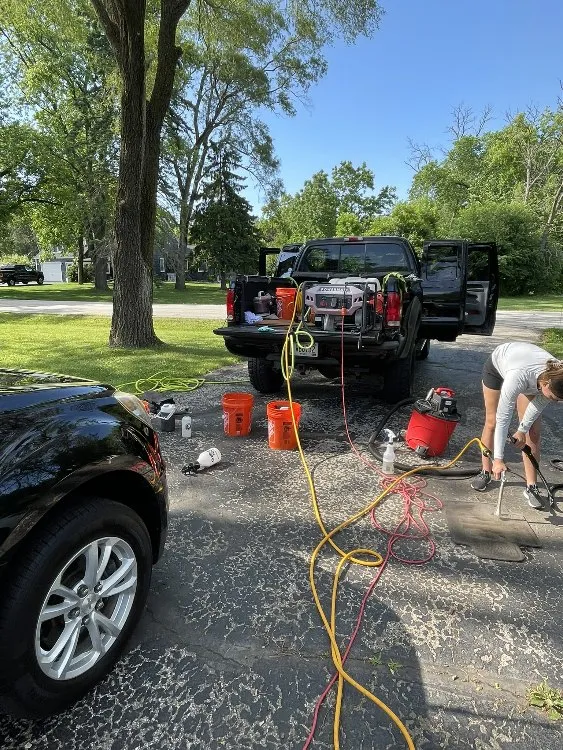
Mobile detailing brings trained technicians and professional products to your home or workplace. This saves time, avoids shop visits, and ensures controlled application conditions for consistent results.
Professionals apply coatings with correct surface prep, curing time and quality products. Many mobile services include durability guarantees and use techniques that maximise life and performance.
Mobile services offer personalised care, selective product choices and attention suited to high-end finishes, preserving appearance and value without moving the vehicle.
Rain repellents form a hydrophobic layer that beads water for easier removal. Longevity depends on product chemistry and exposure; high-quality formulations often last several months with proper upkeep.
Advances in materials science have produced water‑repellent glass with improved durability for automotive use.
Durable Water-Repellent Glass for Automotive Windows
A water‑repellent glass using fluorinated alkyl silanes (FAS) was developed with high water‑sliding properties. Performance depended on coating conditions and molecular orientation; when oriented suitably, FAS delivered sliding properties comparable to PDMS and greater durability against wiper abrasion and weathering. This material was adopted for commercial automotive windows.
Development of water-repellent glass improved water-sliding property and durability, 2003
Od019 increases water repellency so droplets exit the windshield quickly, improving visibility. Vehicles treated with effective repellents show fewer visibility-related incidents in studies and field reports.
Most rain repellents last about three to six months based on exposure and care. Gentle cleaning and timely reapplication keep performance steady through the season.
Booking is simple with mobile providers like On Demand Detailing: contact the company, agree a time, and confirm the scope so technicians arrive prepared for on-site application.
Prepare by ensuring glass is reasonably clean, removing personal items for access, and choosing mild, dry weather so coatings can cure properly.
Cars, trucks, SUVs and motorcycles all benefit. Treatments are especially helpful for vehicles frequently driven in wet conditions or where owners want to preserve glass appearance.
Reapply every three to six months depending on exposure and how often you clean the glass. Check visual performance and bead behavior to decide when to recoat.
DIY kits exist, but professionals provide longer-lasting, more consistent results using higher-grade products and proper prep. Consider a pro for warranty-backed applications.
Inspect and clean the glass with a gentle, non-abrasive cleaner. If beading does not return, schedule a professional reapplication to restore performance.
Extreme heat, prolonged UV exposure, heavy rain, road salt and pollution can accelerate wear. To maximise life, apply and maintain coatings in mild conditions and follow care guidance.
Many modern products prioritize reduced environmental harm, but you should review product data and follow recommended application and disposal practices to minimise impact.