
By Jackson Kincade, On Demand Detailing
Choosing between graphene and ceramic coatings matters for long-term paint protection. Both help, but work differently: graphene offers enhanced durability and strong water repellency; ceramic coatings are a proven defence against environmental damage. This article explains benefits, limits, and best uses to help you choose.
Graphene coatings use a single layer of carbon atoms in a two-dimensional lattice to strengthen protective layers, improving durability and overall performance. Key benefits include heightened scratch resistance, strong hydrophobic behaviour, and durable protection against contaminants, making graphene a compelling choice for owners who want to preserve paint quality.
Graphene increases scratch resistance through high tensile strength and flexibility. Its molecular structure absorbs and disperses energy, reducing the chance that scratches reach the paint. The result is a tougher barrier than many traditional coatings, which lowers maintenance and extends service life.
Graphene’s lattice creates an effective water-repellent surface that sheds water and contaminants, keeping vehicles cleaner and reducing spots and mineral buildup. Many graphene formulations are engineered for multi-year protection, offering a cost-effective option for long-term care.
Further research highlights how graphene’s unique properties contribute to advanced protective solutions, particularly in automotive applications.
Graphene Nanocomposite Coatings for Automotive Corrosion & Superhydrophobicity
This review examines recent advances in graphene-based nanocomposite coatings as next-generation anticorrosion solutions for automotive use. Graphene and its derivatives, including graphene oxide (GO) and reduced graphene oxide (rGO), show strong barrier properties, high mechanical strength, chemical stability, and electrical conductivity. These materials improve hybrid systems—such as polymer/graphene, metal oxide/graphene, and ceramic/graphene—by enhancing impermeability, adhesion, and electrochemical resistance. The review also notes the integration of smart features like IoT-enabled sensing and superhydrophobicity, which expand application possibilities.
Recent advances in graphene-based nanocomposite coatings for corrosion resistance in the automotive industry and their smart functional applications, 2025
Ceramic coatings form a silica-based layer over paint to block UV, chemicals, and pollutants, reducing fading and chemical etching from the environment. However, they typically offer less scratch resistance than graphene, an important consideration for owners prioritising abrasion protection.

Ceramic coatings provide strong UV defence that slows paint fading and oxidation and resist chemicals found in bird droppings, tree sap, and road grime. This protection helps maintain appearance and supports long-term value retention.
Ceramic coating lifespan depends heavily on maintenance. Regular washing with pH-neutral soap preserves coating properties; neglect accelerates degradation and reduces protection. Owners should treat ceramic coatings as durable but serviceable layers that benefit from consistent upkeep.
Selecting between graphene and ceramic coatings requires weighing benefits. Graphene excels at scratch resistance and water repellency for maximum surface protection; ceramic coatings offer strong UV and chemical resistance and remain a solid choice for daily drivers seeking reliable protection.
| Coating Type | Advantages | Limitations |
|---|---|---|
| Graphene | Superior scratch resistance, hydrophobic properties, long-lasting | Higher cost, may require professional application |
| Ceramic | Excellent UV protection, chemical resistance, widely available | Less scratch resistant, shorter lifespan compared to graphene |
This side-by-side view clarifies each coating’s strengths and trade-offs so you can choose based on priorities like durability, UV defence, and budget.
Graphene coatings typically command a premium due to advanced formulation and performance; professional application is often recommended for consistent results. Ceramic coatings are usually more affordable and sometimes suitable for DIY use, though professional application still yields the best outcomes.
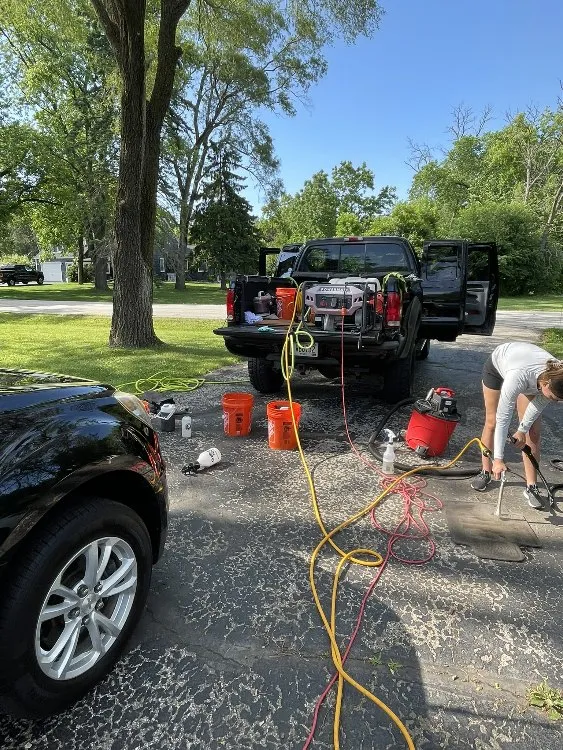
Mobile auto detailing services bring professional coating application to your location, saving time and avoiding shop visits. Trained technicians handle preparation and application to deliver reliable results.
The process of professional mobile coating application typically involves several key steps:
Each step is performed to ensure the coating bonds correctly and delivers the intended protection.
Mobile detailing services fit busy schedules by bringing the service to you, minimising disruption while protecting your vehicle’s finish. That convenience, paired with professional application, helps preserve appearance and value.
Graphene coatings commonly last around 5 to 10 years, depending on environment and care. Ceramic coatings typically last about 2 to 5 years. Exposure to harsh weather, washing frequency, and application quality all affect longevity. Regular maintenance will help maximise protection for both types.
Some ceramic coatings are formulated for DIY use, but graphene products usually perform best with professional application. The techniques and surface preparation required for graphene make trained installers the safer option. If you choose a DIY ceramic kit, follow the manufacturer’s instructions closely to avoid adhesion or performance problems.
Applied correctly, both graphene and ceramic coatings are generally considered safe for the environment. Their production can involve chemicals with environmental impacts, so selecting reputable manufacturers that follow eco-conscious practices is important. Proper disposal of any waste from the application process also reduces environmental risk.
Your choice should reflect your priorities. Choose graphene if scratch resistance and hydrophobic performance matter most. Choose ceramic if UV protection and chemical resistance are the main concerns. Factor in budget, maintenance commitment, and typical driving conditions when deciding.
Both coating types need regular maintenance to remain effective. For graphene, periodic washing with pH-neutral soaps helps preserve hydrophobic properties. Ceramic coatings also benefit from regular cleaning and, in some cases, maintenance products designed for ceramic surfaces. Avoid harsh chemicals and abrasive tools for either coating.
Layering ceramic over graphene is generally not recommended because it can disrupt bonding and performance. Each coating is formulated to work on its own, and combining them may reduce durability or cause curing issues. Consult a professional if you are considering multiple coatings to determine the best approach for protection.