
By Jackson Kincade, On Demand Detailing
Ceramic coatings provide long-lasting paint protection and improved appearance. This guide summarizes the maintenance steps, why professional upkeep matters, and practical cleaning techniques. It also explains how mobile auto detailing can make routine care easier so your coating retains protection and shine.
A ceramic coating is a liquid polymer that bonds with factory paint to create a hard, protective surface. It resists contaminants, UV damage, and minor scratches. Professional maintenance helps preserve bonding and hydrophobic properties so the coating continues to perform; without routine care it can degrade and lose effectiveness. Learn more about our ceramic coating services.
Ceramic coatings protect paint from dirt, grime, bird droppings, and other contaminants that can etch or stain if left in place. With correct care a coating can last multiple years, making it cost-effective over time. One practical benefit is the reduced need for waxing and polishing.
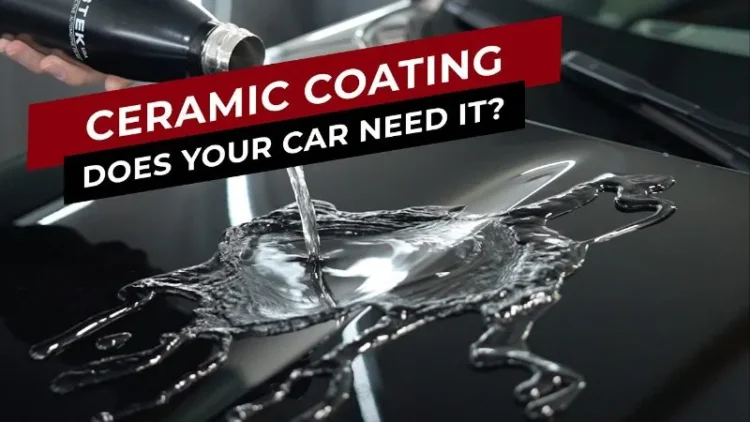
Professional detailers inspect coatings, remove bonded contaminants, and apply maintenance products correctly to sustain protection and appearance. Routine attention prevents common issues like water spots, oxidation, and dulling that occur when coatings are neglected. Mobile auto detailing services, such as those offered by On Demand Detailing, deliver this care at your location for convenience.
Effective maintenance depends on correct procedures and compatible products. Key practices include the following:
Follow these concise steps when washing a ceramic-coated vehicle:
Use products made for ceramic coatings and avoid harsh cleaners. Recommended items include:
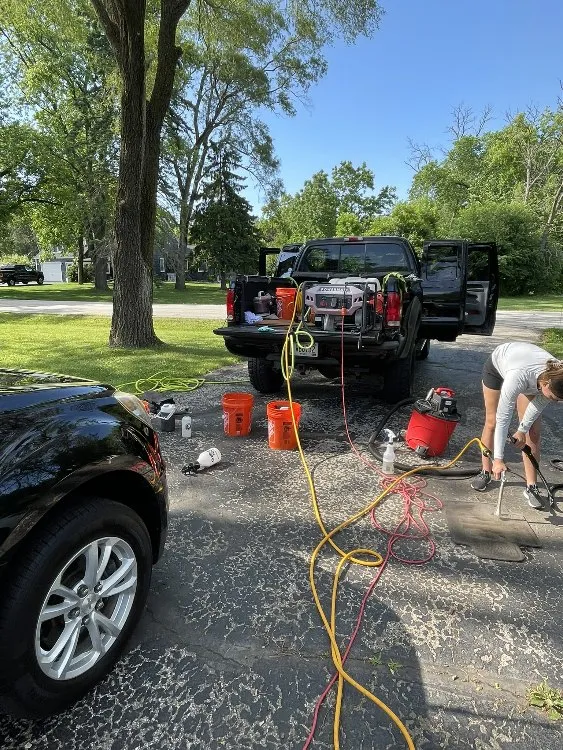
Mobile detailing brings professional maintenance to your home or workplace, saving time and ensuring the coating receives industry-standard products and techniques.
Mobile services let you schedule upkeep at convenient times so your vehicle gets consistent care without disrupting your routine. This is especially helpful if visiting a shop is difficult or time-consuming.
Trained technicians use proper surface preparation, safe wash methods, and maintenance sprays to preserve durability and hydrophobic performance. Choosing a mobile pro ensures expert application and less risk of DIY mistakes.
Below are common questions and practical tips to keep coatings performing well.
Schedule maintenance every 6 to 12 months based on exposure and usage. Regular inspections detect wear early so performance can be preserved.
Assess issues promptly. Minor scratches are often polishable; deeper damage or loss of hydrophobic properties may need professional correction or reapplication. Routine care reduces these risks.
Ceramic coatings are polymer layers that bond to paint and provide multi-year protection, while waxes are sacrificial products that typically last weeks to months. Coatings offer superior resistance to UV, contaminants, and light scratches, reducing maintenance frequency compared with wax.
DIY kits exist, but professional installation is recommended for best adhesion and even coverage. Professionals properly prepare surfaces and apply coatings to achieve intended longevity. If DIY, follow manufacturer instructions carefully.
Extreme heat, acid rain, road salt, and strong UV exposure can accelerate wear. Regular washing and maintenance sprays help mitigate environmental effects and extend coating life.
Minor fading may respond to a professional polish or a maintenance spray designed for coatings. Significant fading or failure usually requires reapplication. Regular inspections help prevent premature loss of performance.
Avoid abrasive cleaners, strongly acidic or alkaline soaps, and products with wax or silicone that can degrade or mask the coating. Stick to pH-neutral, coating-compatible products and check labels for compatibility.
Use a maintenance spray formulated for ceramic coatings to boost water beading and add a temporary protective layer. Regular washing with pH-neutral soap and prompt drying with quality microfiber towels also help preserve hydrophobic behavior. Remove contaminants quickly to maintain effectiveness.
how to maintain ceramic coating